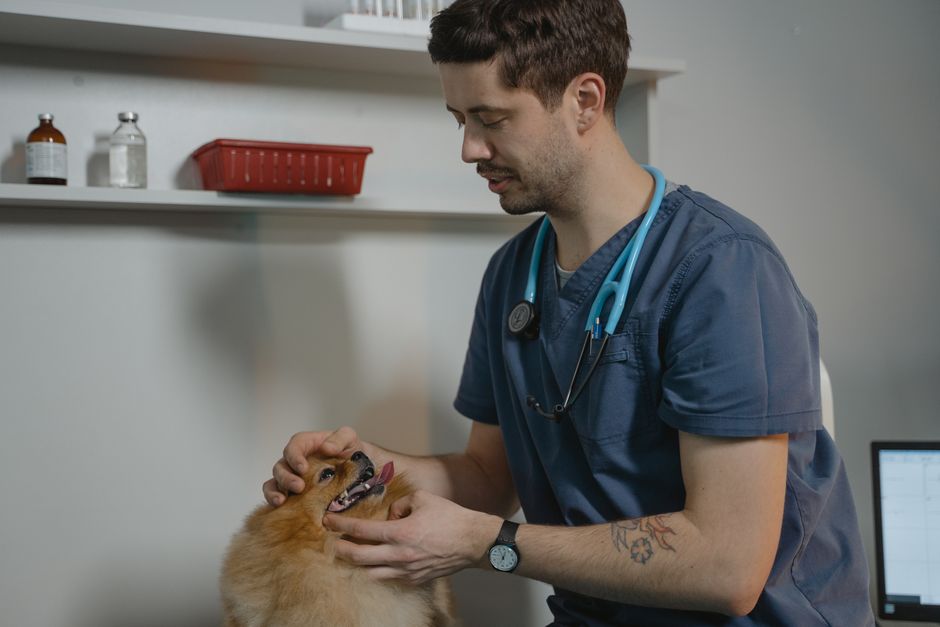
Dental Care Tips for Cats, Dogs, and Exotic Pets

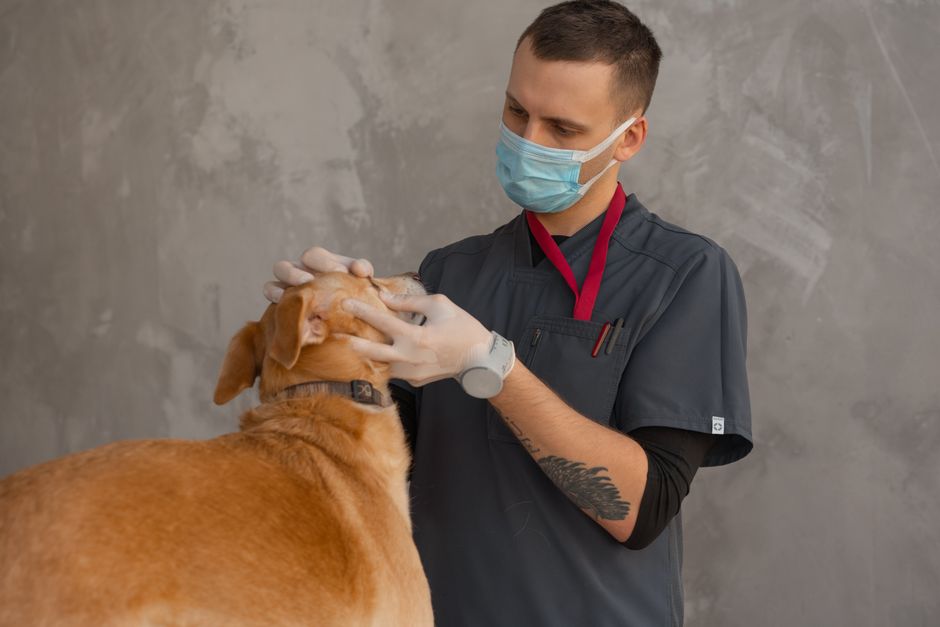
Dental Care Tips for Cats, Dogs, and Exotic Pets
Caring for your animal’s teeth is a vital part of their overall health, whether you share your home with a playful dog, a curious cat, or an exotic companion like a rabbit or parrot. In the humid climate of Fort Myers, dental disease can progress quickly in animals of all types, making it even more important for local pet owners and exotic animal enthusiasts to stay on top of dental care. At Tails-A-Waggin Animal Hospital, located at 11960 Kelly Road, Fort Myers, FL 33908, our team of veterinarians is dedicated to providing comprehensive dental services for dogs, cats, and exotic pets. In this guide, we’ll discuss how to spot dental health issues, offer practical home care tips, explain when professional attention is needed, and highlight how our veterinary team can help keep every animal’s smile bright.
Recognizing Dental Problems in Dogs, Cats, and Exotic Pets
Dental disease often develops silently, so early detection is crucial for your animal’s comfort and health. For dogs and cats, signs that dental issues may be present include persistent bad breath, red or swollen gums, visible tartar on the teeth, drooling, pawing at the mouth, reluctance to eat, or even dropping food while eating. Cats may additionally show changes in grooming habits or become less social due to oral pain.
For exotic pets, dental signs can be more subtle and species-specific. Rabbits and guinea pigs may develop overgrown teeth, struggle with eating hay, or lose weight, while birds can show changes in beak shape, difficulty picking up food, or a drop in vocalization. Reptiles with dental issues might refuse food or develop swelling around the mouth.
Noticing any of these changes in your animal’s behavior or appearance should prompt a closer look at their oral health. If you are unsure whether a symptom is normal, our veterinary team in Fort Myers is always available to answer questions and provide a thorough dental evaluation.
Why Dental Disease Develops: Causes and Contributing Factors
Dental disease is a common problem for animals of all species, but the reasons it develops can vary depending on species, age, diet, and environment. In dogs and cats, plaque builds up on the teeth and hardens into tartar, which irritates the gums and allows bacteria to invade below the gumline. This process can lead to gingivitis, periodontal disease, and eventually tooth loss if left untreated.
In the humid Fort Myers climate, moisture can encourage bacterial growth in the mouth, making regular dental care even more important for local animals. Diet also plays a role; animals fed mostly soft foods or lacking in chewing opportunities are at greater risk for plaque accumulation and dental disease.
Exotic pets face their own unique dental health challenges. Rabbits, guinea pigs, and chinchillas have teeth that grow continuously, requiring regular wear through chewing fibrous plant material. Without the right diet, their teeth can overgrow or develop sharp points, causing pain and difficulty eating. Birds and reptiles have species-specific dental and beak structures that can be affected by improper diet or lack of natural chewing surfaces.
Understanding the underlying causes of dental issues helps pet owners and exotic animal enthusiasts make better decisions about preventive care and when to seek veterinary attention.
Veterinary Treatment Options for Dental Disease
When dental problems are identified, professional veterinary care is the best way to address the underlying issue and restore your animal’s comfort. At Tails-A-Waggin Animal Hospital, our veterinary team offers a full range of dental services for dogs, cats, and exotic pets.
For dogs and cats, a complete dental cleaning under anesthesia allows us to remove plaque and tartar above and below the gumline, assess the health of each tooth, and take dental radiographs if needed. Procedures may also include tooth extractions for severely diseased teeth or dental repair for damaged teeth. You can learn more about our approach to pet teeth cleaning and gingivitis prevention services and our options for dental repair services for pets on our website.
For exotic pets, dental care is tailored to the species. Rabbits and rodents may require trimming of overgrown teeth or correction of malocclusion. Birds may need beak trims or adjustments, and reptiles sometimes require specialized oral care depending on their anatomy. Our veterinary dental and general care for exotic pets is designed to keep all kinds of companion animals healthy and comfortable.
Advanced diagnostic tools such as dental radiographs help our veterinarians assess the full extent of oral disease, especially for issues that are not visible during a regular examination. This allows for more precise and effective treatment, ensuring the best possible outcome.
Home Dental Care: Preventing Problems Before They Start
Preventive dental care at home is one of the most effective ways to protect your animal’s oral health and reduce the need for more extensive procedures down the road. For dogs and cats, daily tooth brushing with a pet-safe toothpaste is the gold standard. If your animal is not accustomed to brushing, gradually introduce the process with patience and reward. Dental treats, chews, and specially formulated diets can also support oral health, but they are not a substitute for brushing.
Routine inspection of your animal’s mouth allows you to spot problems early. Look for redness along the gumline, buildup on the teeth, or changes in breath odor. If your animal resists having their mouth handled, it may be a sign of discomfort and a reason to schedule a dental evaluation.
For exotic pets, prevention focuses on proper diet and environmental enrichment. Rabbits, guinea pigs, and chinchillas need constant access to hay and safe chew toys to naturally wear down their teeth. Birds benefit from a variety of perches and items to gnaw, while reptiles require diets and habitats that mimic their natural environment. Regular at-home checks for changes in eating behavior, weight, or mouth appearance are essential.
Our team at Tails-A-Waggin Animal Hospital is happy to demonstrate tooth brushing techniques, recommend safe dental products, and provide guidance on the best diet and enrichment for your specific companion.
When to Schedule a Veterinary Dental Visit
Knowing when to seek professional dental care can make all the difference in your animal’s quality of life. Schedule an appointment with our veterinary team in Fort Myers if your dog or cat has persistent bad breath, visible tartar, bleeding gums, loose teeth, or signs of oral discomfort such as reluctance to eat or dropping food. For exotic pets, changes in eating patterns, unexplained weight loss, drooling, or visible mouth problems should prompt a veterinary evaluation.
Even if your animal appears healthy, regular dental examinations are important for early detection and prevention. Our veterinarians recommend annual dental check-ups for most dogs and cats, with more frequent evaluations for older animals or those with a history of dental issues. Exotic pets may require specialized dental checks at intervals appropriate to their species and age.
If you are unsure whether your animal needs dental care, do not hesitate to reach out. Our team can help determine the right timing for a dental visit and explain what to expect during the process. For more information about our dental surgery services for pets in Fort Myers, visit our website or call our clinic directly.
Dental Care for Every Species: Our Commitment to Comprehensive Veterinary Health
At Tails-A-Waggin Animal Hospital, we understand that every animal—whether a playful puppy, a senior cat, or a unique exotic companion—deserves personalized dental care. Our veterinarians are committed to supporting pet owners and exotic animal enthusiasts throughout Fort Myers and surrounding communities with education, preventive care, and advanced treatment options. By combining regular home care with professional dental services, you can help your companion enjoy a healthier, happier life.
If you notice signs of dental trouble, have questions about home dental care, or are simply searching for a "veterinarian near me" who offers complete dental solutions, our team is ready to help. Schedule your animal’s dental evaluation by calling (239) 445-3694 or visiting us at 11960 Kelly Road, Fort Myers, FL 33908. We look forward to being your trusted partner in dental health—no matter what type of animal you call family.
This article is intended for educational purposes only and does not replace individualized veterinary advice. Please contact our veterinary team if you have concerns about your animal’s dental health or need to schedule a professional examination.