Storm Safety for Exotic Pets in Fort Myers’ Rainy Season

Storm Safety for Exotic Pets in Fort Myers’ Rainy Season
Florida’s summer rainy season is well known for its dramatic thunderstorms, sudden power outages, and rapid swings in temperature and humidity. While many pet owners are familiar with storm safety tips for dogs and cats, caring for exotic pets—such as birds, reptiles, and small mammals—during stormy weather in Fort Myers requires special attention. At Tails-A-Waggin Animal Hospital on 11960 Kelly Road, Fort Myers, FL 33908, we recognize how stressful the rainy season can be for exotic animal owners. This blog will guide you through the storm-specific risks exotic pets face, how to recognize signs of distress, why these problems occur, and the best ways to keep your unique companions safe and comfortable until the sun returns.
Whether you share your home with parrots, snakes, rabbits, ferrets, or other less-common pets, knowing how to prepare for unpredictable weather is essential. Our veterinary professionals are here to help you understand what to watch for during storms, how to prevent common emergencies, and when it’s time to schedule an appointment for expert care. We’ll also highlight steps you can take at home to minimize stress and health risks for your exotic friends. If you are looking for comprehensive exotic pet care in Fort Myers, our team is always happy to provide personalized advice and support. To learn more about our specialized services, visit our page on Exotic Pet Care services for birds, reptiles, and small mammals in Fort Myers.
Recognizing Storm-Related Stress and Health Risks in Exotic Pets
Exotic pets often display subtle signs of stress or illness compared to more familiar dogs and cats. During storms, these signs can become more pronounced due to noise, vibration, air pressure changes, and environmental disruptions caused by power outages or flooding. For birds, common indicators of distress include feather plucking, vocalizing more than usual, trembling, or hiding at the bottom of the cage. Reptiles may show changes in coloration, reduced movement, loss of appetite, or increased attempts to escape their enclosure. Small mammals such as rabbits, guinea pigs, and ferrets might become withdrawn, eat less, or develop digestive issues.
It is important to remember that some conditions, like overheating or hypothermia, can develop rapidly if your exotic pet’s environmental controls are disrupted. Watch for symptoms like open-mouth breathing in birds, lethargy in reptiles, or drooling and rapid breathing in small mammals. In all species, sudden behavioral changes, persistent hiding, or signs of injury warrant immediate attention. If your exotic companion seems out of sorts after a major storm or power outage, the safest approach is to consult with our veterinary team at Tails-A-Waggin Animal Hospital.
Why Storms Cause Problems for Exotic Animals
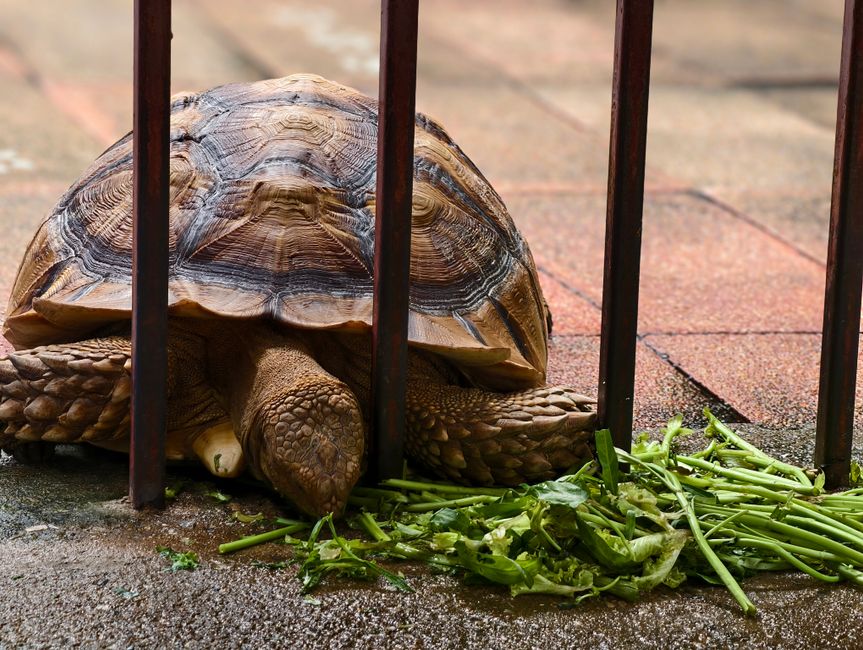
Exotic pets are especially sensitive to environmental changes because many have adapted to very stable conditions in the wild. Birds, for example, require consistent temperatures and humidity to maintain healthy feathers and respiratory function. Reptiles depend on external heat sources to regulate their body temperature, making them highly vulnerable to power outages that disable heat lamps or pads. Small mammals like rabbits and guinea pigs can quickly become stressed by loud noises or rapid temperature changes, which can lead to digestive upsets or even life-threatening stasis.
Florida’s thunderstorms bring not only noise and lightning but also spikes in humidity, sudden drops in temperature, and the risk of flooding or water intrusion. Air conditioning failures can cause overheating in birds and small mammals, while loss of heat sources can leave reptiles chilled and unable to digest food. Even brief interruptions can put your exotic animal at risk, especially if they are very young, elderly, or have chronic health conditions. Understanding these risks is the first step toward building a storm-safe environment for your unique companions.
How Tails-A-Waggin Animal Hospital Treats Storm-Related Exotic Pet Emergencies
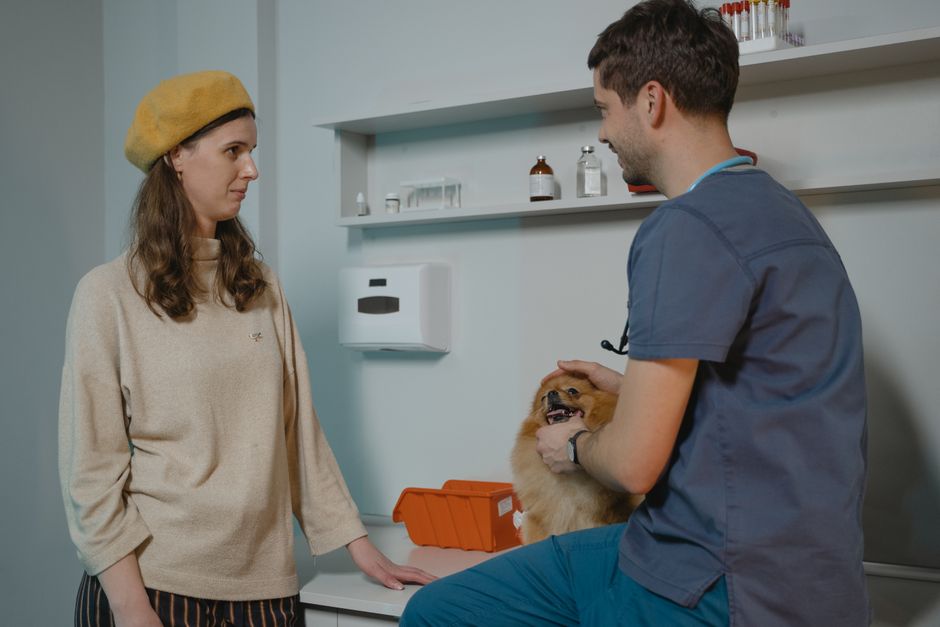
When exotic pets experience health issues during or after a storm, timely veterinary intervention can be lifesaving. At Tails-A-Waggin Animal Hospital, our team is experienced in diagnosing and treating a wide range of exotic pet emergencies, from dehydration and heat stroke to respiratory distress and trauma. If your bird has suffered from overheating due to an air conditioning failure, treatment may involve careful cooling, fluid therapy, and supplemental oxygen. For reptiles that have become hypothermic, gradual warming and monitoring for digestive complications are essential. Small mammals experiencing digestive upset or stasis may need critical supportive care, including fluids, medications to stimulate gut movement, and nutritional support.
Our veterinarians use advanced diagnostic tools, including in-house laboratory testing and digital radiology, to quickly assess the severity of your exotic pet’s condition. We also offer hospitalization for exotic pets who need close monitoring and specialized care. If you are concerned about your exotic animal’s health after a storm, call Tails-A-Waggin Animal Hospital at (239) 445-3694 to schedule an immediate appointment. Always transport your exotic pet in a secure, well-ventilated carrier, and bring any information about recent environmental changes or symptoms you have observed.
Home Care and Prevention: Keeping Exotic Pets Safe Before, During, and After Storms
Preparation is essential for protecting exotic animals during Fort Myers’ rainy season. Before storms are expected, ensure your exotic pet’s enclosure is secure, free from drafts, and away from windows that could break or leak. Birds should have their cages covered with a breathable cloth to shield them from lightning flashes and dampen thunder noise. Reptiles must have backup heat sources such as battery-operated heat pads or chemical hand warmers designed for pet use. Small mammals benefit from nesting materials and a quiet, darkened space where they can retreat if startled.
Power outages are a major concern for all exotic pets. Invest in uninterruptible power supplies for critical equipment, such as incubators, heat lamps, or humidifiers. Store extra water and food, as flooding or storm damage may disrupt deliveries. After a storm, closely observe your exotic pet for signs of stress or illness, and gradually restore normal routines. Avoid sudden temperature swings by bringing enclosures back to their usual conditions over several hours.
If your exotic pet requires ongoing medications or special diets, keep at least a week’s supply on hand during the summer storm season. If you need refills, our veterinary pharmacy at Tails-A-Waggin Animal Hospital is ready to help. Should you have questions about safe enclosures or emergency kits for exotic pets, our team is happy to offer recommendations.
When to Schedule an Appointment with an Exotic Veterinarian
Knowing when to seek professional veterinary care is key to keeping exotic pets healthy during storm season. If your bird, reptile, or small mammal shows persistent behavioral changes, refuses food or water for more than 24 hours, or develops symptoms such as difficulty breathing, drooling, vomiting, diarrhea, or signs of injury, contact our veterinary professionals immediately. Do not attempt to treat serious conditions at home; exotic pets often hide illness until it becomes severe.
Our team at Tails-A-Waggin Animal Hospital encourages you to reach out with any concerns, even if you are unsure whether your exotic pet’s symptoms are serious. Early intervention often leads to the best outcomes, especially for birds, reptiles, and small mammals. If you are new to exotic pet ownership or have recently welcomed a new species, consider a preventive wellness appointment to discuss storm safety and establish a baseline for your animal’s health. You can find more detailed information about our approach to exotic animal care on our Exotic Pet Care services for birds, reptiles, and small mammals in Fort Myers page.
Supporting Exotic Pet Owners Through Every Storm
Caring for exotic pets during Fort Myers’ stormy summer months requires vigilance, preparation, and a commitment to putting your animal’s unique needs first. By recognizing early warning signs of stress or illness, understanding the risks posed by storms, and taking proactive steps to safeguard your pets’ environment, you can help them weather the season safely. Remember, the veterinary professionals at Tails-A-Waggin Animal Hospital are always available to provide support and guidance tailored to your specific situation.
If you are searching for an experienced “veterinarian near me” who understands the challenges of storm safety for exotic pets, look no further than our team here in Fort Myers. To schedule an appointment or discuss your exotic companion’s needs, call us at (239) 445-3694 or stop by our 11960 Kelly Road, Fort Myers, FL 33908. Your bird, reptile, or small mammal’s health and comfort are always our highest priority, and we look forward to helping you keep them safe—no matter what the weather brings.
For more information on exotic pet care and storm safety tips, explore our Exotic Pet Care services for birds, reptiles, and small mammals in Fort Myers, or reach out to our veterinary team with your questions and concerns. Storms are unpredictable, but with preparation and expert support, your exotic companions can thrive all year long.