Preventing Dental Disease in Pets: November Tips for Dog and Cat Owners

Preventing Dental Disease in Pets: November Tips for Dog and Cat Owners
As November arrives in Fort Myers, many pet owners start thinking about ways to keep their dogs and cats healthy for the holiday season. One crucial but often overlooked area of pet health is dental care. Dental disease is one of the most common health issues seen in both dogs and cats, yet it is highly preventable with the right care and attention. At Tails-A-Waggin Animal Hospital, located at 11960 Kelly Road, Fort Myers, FL 33908, our veterinary team is dedicated to helping your pet maintain a healthy mouth and a bright smile all year long. In this blog, we will explore how to recognize dental disease in your pet, what causes it, professional treatment options, at-home prevention strategies, and when it’s time to schedule a veterinary visit. Whether you’re in Fort Myers or the surrounding communities, these November tips will help you protect your furry family member’s dental health through every season.
Recognizing Dental Disease in Dogs and Cats
Many pet owners are surprised to learn that dental disease can develop without obvious signs at first. However, as the problem progresses, certain symptoms become more noticeable in both dogs and cats. Signs that your pet may be experiencing dental disease include persistent bad breath, visible tartar buildup on the teeth, red or bleeding gums, difficulty chewing, pawing at the mouth, drooling, and sometimes swelling around the face. In more advanced cases, you might observe loose or missing teeth, reluctance to eat hard food, or behavioral changes like irritability due to oral pain.
For example, if you notice your dog suddenly dropping kibble during meals or your cat avoiding her favorite crunchy treats, it may indicate discomfort from dental issues. Additionally, subtle changes such as increased sneezing or nasal discharge can sometimes be linked to severe oral infections, especially in cats. Keeping a close eye on your pet’s eating habits, breath, and overall comfort can help you catch dental disease early before it leads to more serious health problems.
Understanding the Causes of Dental Issues in Pets
Dental disease in dogs and cats generally begins with the accumulation of plaque, a sticky film of bacteria that forms on the teeth after eating. If not removed by regular cleaning, plaque hardens into tartar, which can wedge beneath the gumline and trigger inflammation known as gingivitis. Over time, unchecked tartar and bacterial infection can progress to periodontitis, a more severe condition that damages the structures supporting the teeth and may even result in tooth loss.
Several factors contribute to the development of dental disease. Diet plays a significant role, as pets that eat primarily soft or wet food tend to experience more plaque buildup than those who chew dry food or dental treats. Genetics also have an influence; some dog breeds, such as small and toy breeds, are more prone to dental problems due to the shape and crowding of their teeth. Age is another factor, with dental disease becoming more common as pets get older. Additionally, underlying health conditions like diabetes or kidney disease can worsen oral health.
Environmental factors, such as limited access to chew toys or a lack of regular tooth brushing, can accelerate dental disease in both dogs and cats. Understanding these causes is the first step toward taking proactive measures to keep your pet’s mouth clean and healthy.
Professional Dental Treatments at Tails-A-Waggin Animal Hospital
When dental disease has already taken hold, professional care is the most effective way to restore your pet’s oral health. At Tails-A-Waggin Animal Hospital, we offer comprehensive dental services for dogs and cats, including dental examinations, professional teeth cleaning, dental radiographs, and a full range of dental surgeries.
A professional teeth cleaning involves scaling and polishing the teeth under anesthesia to safely remove plaque and tartar both above and below the gumline. This procedure allows our veterinarians to thoroughly examine every tooth and identify hidden issues that may not be visible during a routine physical exam. In some cases, dental radiographs are used to evaluate the health of tooth roots and jawbone, providing a detailed view that helps us detect problems such as abscesses, resorptive lesions, or bone loss. If necessary, our veterinary team is equipped to perform pet tooth extraction services to remove severely damaged or infected teeth and prevent further complications.
For pets with advanced dental disease, dental surgery services may be required to address serious infections or structural issues. Our team uses gentle, modern techniques and advanced monitoring to ensure your pet’s safety and comfort throughout the procedure. After any dental treatment, we provide personalized home care recommendations and follow-up support to help your pet recover quickly.
If you are interested in learning more about the professional options available for keeping your pet’s teeth clean and healthy, we also offer professional teeth cleaning services for preventing gingivitis in pets.
Preventive Care: Keeping Your Pet’s Teeth Healthy at Home
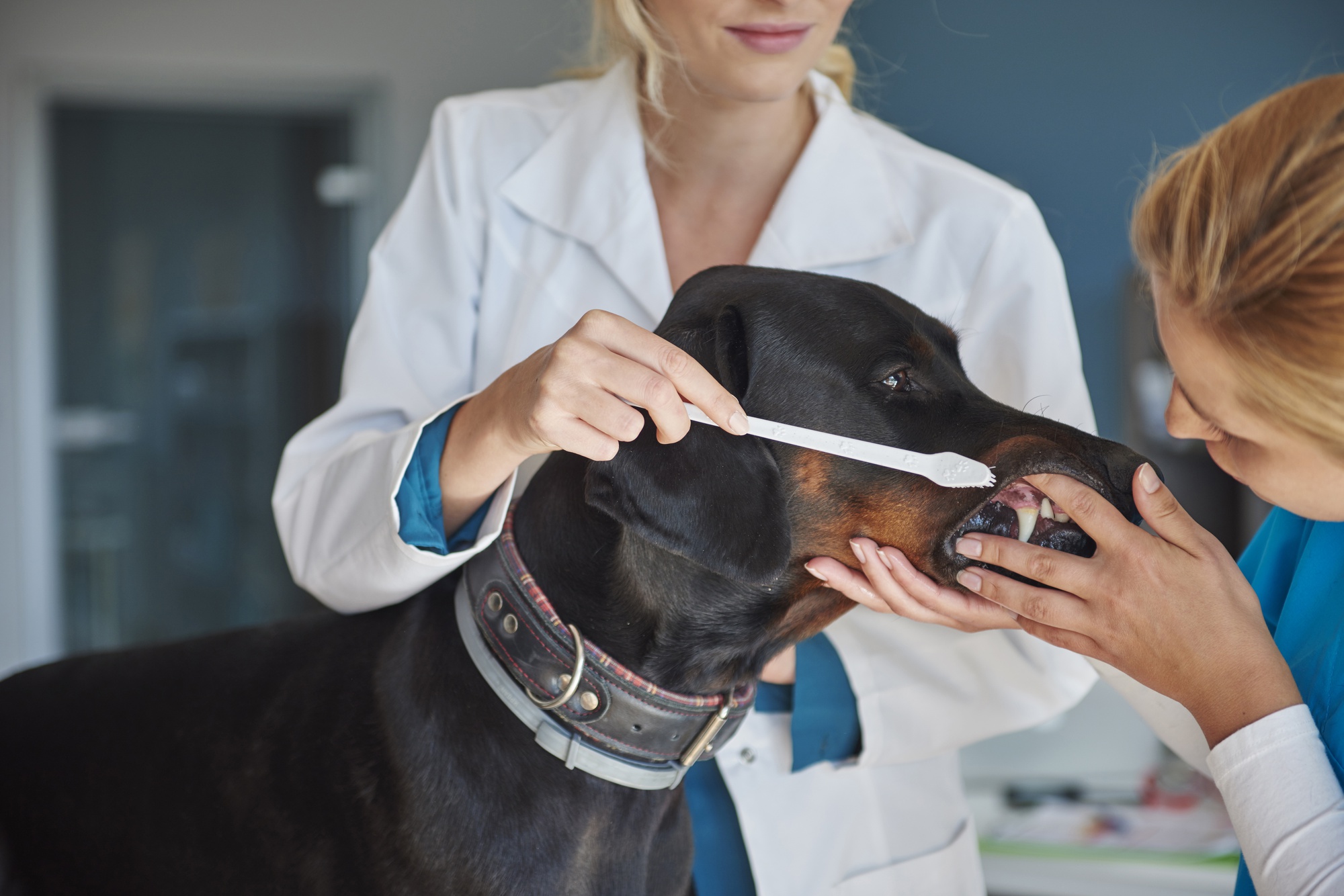
The best way to protect your dog or cat from dental disease is through consistent preventive care at home. Just like in people, regular tooth brushing is the gold standard for reducing plaque and maintaining healthy gums. Using a pet-safe toothbrush and toothpaste, aim to brush your pet’s teeth daily or at least several times a week. If your pet is new to tooth brushing, start slowly, using gentle motions and plenty of positive reinforcement to make it a stress-free experience.
In addition to brushing, dental chews, toys, and specially formulated diets can help reduce plaque and tartar buildup. Many pet owners find that providing their dog or cat with dental treats or food designed for oral health makes a noticeable difference in breath freshness and tooth cleanliness. Always choose products that have the Veterinary Oral Health Council (VOHC) seal for proven effectiveness.
Regular home inspections of your pet’s mouth are also valuable. Look for red or swollen gums, yellow-brown tartar, broken teeth, or any unusual changes. Early detection makes a big difference in managing dental disease before it becomes painful or expensive to treat.
Finally, schedule routine veterinary dental exams as part of your pet’s preventive health plan. Professional cleanings and checkups, combined with diligent home care, are the best defense against dental disease for your furry family members.
When to Schedule a Veterinary Dental Visit
Knowing when to seek veterinary care for your pet’s teeth is essential. If you notice persistent bad breath, bleeding gums, loose teeth, difficulty eating, or any signs of oral pain, it’s time to schedule an appointment with your veterinarian. Sudden changes in eating habits, facial swelling, or discharge from the mouth also require prompt attention.
Even if your pet seems comfortable, regular dental checkups are recommended at least once a year, or more frequently for senior pets or those with a history of dental problems. Our veterinary team at Tails-A-Waggin Animal Hospital is here to provide comprehensive dental evaluations, discuss any concerns you may have, and recommend the best course of action for your pet’s unique needs. Early intervention not only prevents discomfort but can also avoid more serious complications like tooth loss or infections that affect the heart, liver, or kidneys.
If you are searching for a veterinarian near me for dental care, our clinic in Fort Myers and surrounding communities is ready to help your pet maintain optimal oral health.
Keeping Your Pet’s Smile Bright: Schedule Your November Dental Checkup
Dental disease is a common but preventable issue for dogs and cats, and November is a perfect time to focus on your pet’s oral health. By watching for early warning signs, practicing consistent home care, and partnering with your veterinary team for regular professional cleanings, you can help your furry friend enjoy a comfortable, healthy life. At Tails-A-Waggin Animal Hospital, we are committed to supporting pet owners throughout Fort Myers and the surrounding area with compassionate, comprehensive dental services.
If you have questions about your pet’s dental health or would like to schedule a dental exam or cleaning, contact our team of veterinarians at Tails-A-Waggin Animal Hospital today. You can reach us at (239) 445-3694 or visit our convenient location at 11960 Kelly Road, Fort Myers, FL 33908. Let us help you keep your pet’s smile bright and healthy for many seasons to come.
For more information on dental disease in pets, visit the American Veterinary Dental College website at https://www.avdc.org. Always consult with your veterinarian for personalized advice and before starting any new dental care routine for your pet.