Protecting Exotic Pets From Summer Heat in Fort Myers

Protecting Exotic Pets From Summer Heat in Fort Myers
Hot, humid summers are a fact of life in Fort Myers, and if you share your home with an exotic pet, you know that these unique companions often have different needs than dogs or cats. While birds, reptiles, and small mammals can be sensitive to changes in temperature and humidity, summer in Southwest Florida brings added challenges that can put your exotic pet at risk for overheating or heat stress. At Tails-A-Waggin Animal Hospital, located at 11960 Kelly Rd, Fort Myers, FL 33908, our veterinary team is dedicated to helping you keep your exotic pets safe, healthy, and comfortable all year round. In this guide, we will explore how to recognize signs of heat stress in exotic pets, what causes it, how to prevent overheating, and when it’s time to schedule an appointment with our experienced veterinarians. Whether you have a parrot, bearded dragon, rabbit, guinea pig, or another unusual companion, these tips will help you navigate the hottest months with confidence.
Recognizing Signs of Heat Stress in Exotic Pets
Understanding when your exotic pet may be struggling with the summer heat is the first step to preventing serious health issues. Unlike humans, many exotic species cannot simply sweat to cool themselves, and their small size or unique physiology often makes them more vulnerable to rapid temperature changes.
Birds
Birds may show signs of heat stress such as panting, holding their wings away from their bodies, open-mouth breathing, or becoming lethargic. You might also notice that your bird spends more time at the bottom of the cage or appears unusually quiet.
Reptiles
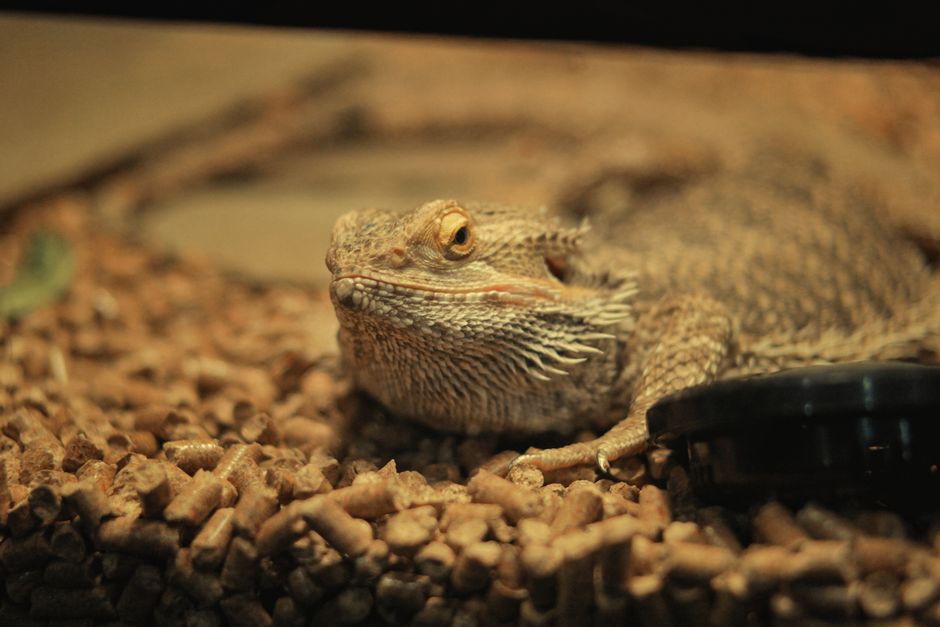
Reptiles like bearded dragons, turtles, or snakes are ectothermic, which means they rely on the environment to regulate their body temperature. Signs of overheating in reptiles include excessive basking, rapid breathing, gaping (holding the mouth open), or seeking out the coolest spot in their enclosure. Some reptiles may become unusually restless or, conversely, very still.
Small Mammals
Small mammals such as rabbits, guinea pigs, ferrets, and hedgehogs may start to breathe rapidly, drool, appear weak, or refuse food and water if they become overheated. Rabbits, in particular, are prone to heat stroke as they lack sweat glands and can only dissipate heat through their ears and limited panting.
If your exotic pet displays any of these symptoms, it’s important to take immediate steps to cool them down and contact your veterinarian for further guidance.
Understanding Why Exotic Pets Are Vulnerable to Summer Heat
The climate in Fort Myers, with its high temperatures and persistent humidity, can be challenging for many exotic species. Most exotic pets come from very specific climates in the wild, and their bodies are adapted to those conditions. When kept as companions in Florida, these animals may struggle to adapt to our weather, especially if their environments are not carefully controlled.
Birds from tropical regions may tolerate some warmth, but sudden spikes in temperature or inadequate ventilation can quickly become dangerous. Reptiles require precise temperature gradients in their enclosures, and high ambient temperatures can eliminate the cool zones they need for proper thermoregulation. Small mammals, many of which are adapted to cooler or drier climates, can easily become overheated if their cages are placed in direct sunlight or poorly ventilated rooms.
Additionally, air conditioning and indoor environments may not always provide the right balance of temperature and humidity, especially if enclosures are near windows or in rooms that fluctuate with the outside weather. Recognizing these risks is vital for maintaining a safe habitat for your exotic pet.
Managing Heat: Professional Veterinary Care and Support
When summer arrives in Fort Myers, the team at Tails-A-Waggin Animal Hospital is here to help you navigate the unique needs of your exotic pets. From tailored wellness exams to habitat evaluations, our veterinarians provide expert guidance for keeping birds, reptiles, and small mammals healthy during the hottest months.
Veterinary Evaluations
During a veterinary check, our team will assess your exotic pet's baseline health and discuss their specific heat and humidity requirements. We may recommend adjustments to your pet's enclosure, such as improving ventilation, using appropriate heat lamps with thermostats, or monitoring humidity levels more closely.
For birds, our veterinarians can help you determine safe cage placement, offer advice on misting routines, and check for any underlying health issues that could make your bird more susceptible to heat stress. When it comes to reptiles, we can review your heating and lighting setup, ensure that temperature gradients are appropriate, and provide recommendations for humidity control.
Small mammals benefit from regular checks to ensure they are maintaining a healthy weight, staying hydrated, and not developing early signs of heat stress. If you are unsure whether your pet’s environment is safe or if you notice subtle behavioral changes, a professional evaluation can give you peace of mind. More information about specialized care for exotics is available through our veterinary care services for exotic pets.
Preventing Overheating: Home Care Strategies for Exotic Pets
Protecting your exotic pet from summer heat starts with a proactive approach at home. Creating a comfortable, stable environment is essential for their wellbeing.
Maintaining Proper Temperature and Humidity
First, always make sure your pet’s enclosure is situated away from direct sunlight and not near windows or doors where drafts or temperature spikes can occur. Use digital thermometers and hygrometers to monitor both temperature and humidity within the habitat. For reptiles, provide a range of temperatures by using heat mats or lamps with thermostats, and ensure there is always a cooler area available for escape from the heat. Birds benefit from gentle fans in the room (never directed at the cage) and occasional light misting to help them regulate body temperature. Small mammals should have access to cool, shaded areas in their enclosure, and you can offer ceramic tiles or frozen water bottles wrapped in towels as safe, cool surfaces.
Hydration and Diet
Ensuring your exotic pet has constant access to fresh, clean water is critical. Birds may enjoy bathing opportunities, so provide shallow dishes or supervised time in the shower. For reptiles, regular misting can help maintain proper hydration, especially for species that absorb water through their skin. Small mammals may not drink large amounts at once, so check water bottles and bowls several times a day to prevent dehydration.
Some pets, like guinea pigs and rabbits, may benefit from extra leafy greens or water-rich vegetables during the summer, but always check with your veterinarian before making changes to your pet’s diet.
Environmental Enrichment
Mental stimulation is also important during the summer, as some pets may be less active due to the heat. Rotate toys, rearrange cage accessories, or offer new perches and hiding spots to reduce stress and encourage natural behaviors without encouraging excessive activity during the hottest part of the day.
When to Seek Veterinary Care: Recognizing Emergencies
Despite your best efforts, there may be times when your exotic pet is at risk and needs immediate veterinary attention. Heatstroke in birds, reptiles, and small mammals can escalate quickly and is a true emergency.
Key warning signs include rapid or open-mouth breathing, collapse, unresponsiveness, bright red or very pale mucous membranes, excessive drooling, or seizures. If you observe any of these signs, move your pet to a cooler area right away, offer water if they are conscious, and contact your veterinarian immediately.
At Tails-A-Waggin Animal Hospital, our veterinary professionals are equipped to provide critical care for exotic pets experiencing heat-related emergencies. Do not attempt to use ice water baths or drastic cooling methods, as these can cause shock or worsen the situation. Instead, gentle cooling—such as applying cool (not cold) damp cloths or moving your pet to an air-conditioned room—is the safest first step while you seek help.
If you ever have doubts about your exotic pet's wellbeing, scheduling an appointment for an examination is always the best course of action. Our team can help you identify subtle problems before they become serious and advise you on the best strategies for your unique companion.
Building a Safe Summer Routine for Exotic Pets
Keeping your exotic pet healthy throughout the summer in Fort Myers is all about preparation and vigilance. Monitor your pet’s behavior daily and be alert for any signs of discomfort or distress. Adjust routines as needed to avoid the hottest parts of the day, and never leave exotic pets in vehicles or unventilated rooms, even for a short time.
If you're planning travel or need to leave town, consider our boarding services at Tails-A-Waggin Animal Hospital, where your exotic pet can be cared for in a temperature-controlled environment by experienced veterinary professionals. Our team understands the unique needs of exotic species and will ensure your companion stays comfortable and safe while you're away.
For additional guidance on habitat setup, nutrition, or medical care, our veterinary care services for exotic pets page offers more detailed information.
Conclusion: Trust Tails-A-Waggin Animal Hospital for Exotic Pet Heat Safety
Summer in Fort Myers presents unique challenges for exotic pet owners, but with the right knowledge and support, you can keep your bird, reptile, or small mammal safe from heat stress all season long. Watch for early warning signs, maintain a stable environment, and don’t hesitate to reach out if you notice anything unusual.
When searching for an experienced "veterinarian near me" who understands the needs of exotic animals, Tails-A-Waggin Animal Hospital is your local partner in pet care. Our veterinary team is committed to providing comprehensive, compassionate support for every species we serve. To schedule an appointment or discuss concerns about your exotic pet’s heat safety, call us at (239) 482-6897 or visit us at 11960 Kelly Rd, Fort Myers, FL 33908. For more tips and in-depth information, explore our veterinary care services for exotic pets. Your exotic companions deserve the very best care—let us help you give them a safe, healthy, and happy summer.
This article is intended for informational purposes only and does not replace professional veterinary care. If you have concerns about your exotic pet’s health, always consult with a qualified veterinarian.